
The Work Comes from Inside the Problem.
I didn't study business. I didn't plan a career in operations. I just kept seeing what was broken and couldn't stop fixing it.
How I See
Based in the Philippines but operating globally, I studied language and literature — not business, not management, not operations. What I studied was how language shapes the way people live and think, and how life and culture shape language right back. How systems of meaning are built, how they hold, how they break down.
That turned out to be more relevant to operations than any business degree would have been. I think in structure. I see how things connect, where the logic holds, and where it falls apart. I pick up on patterns fast — the workaround everyone uses that quietly became the real process, the decision that keeps routing to the founder because authority was never actually transferred, the function that looks staffed but is being held together by one person.
I'm neurodivergent. The way I process information — pattern recognition, structural thinking, a low tolerance for things that don't make sense — is the foundation of everything I do in this work. That's not a skill I developed. It's how my brain is built.
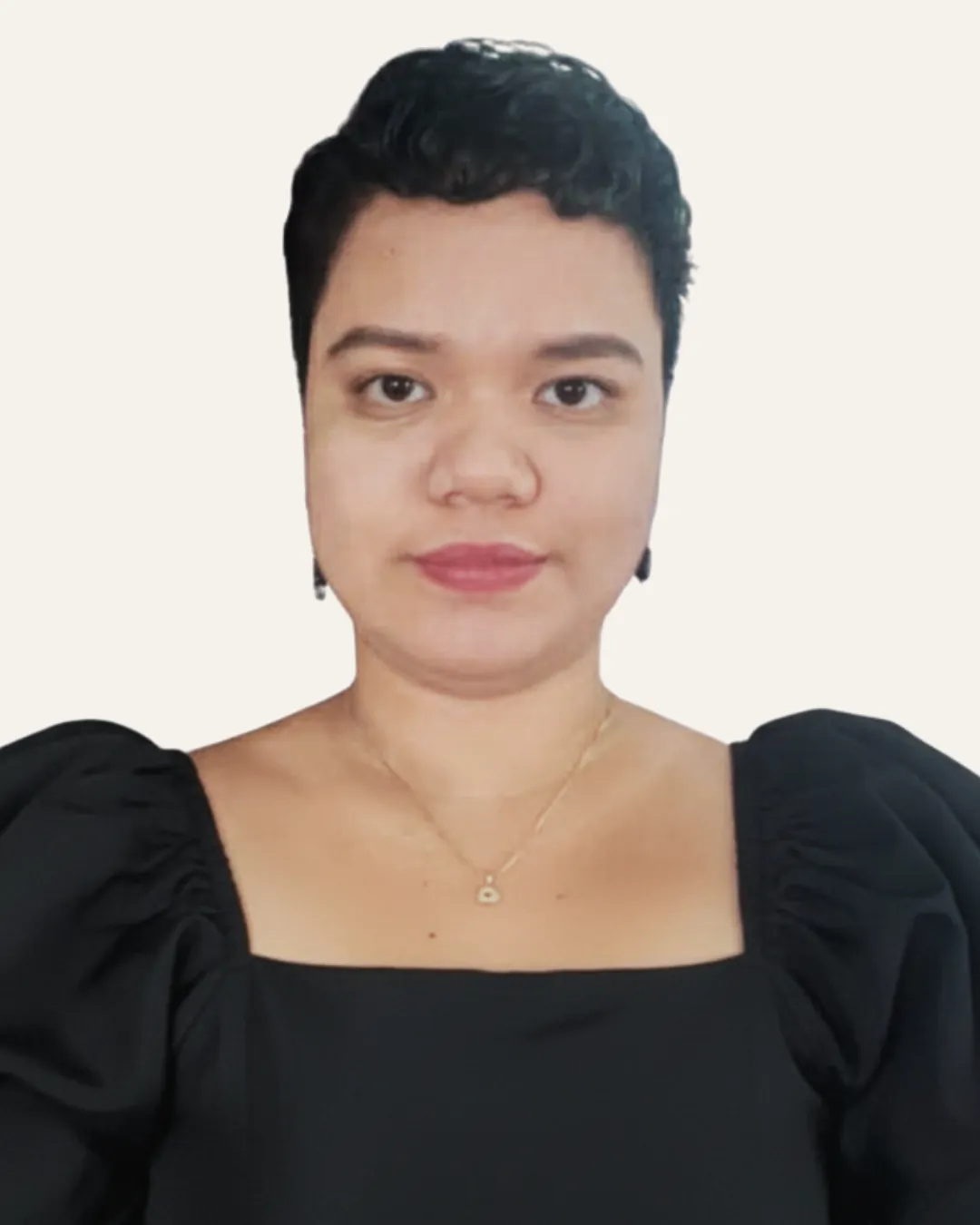
Trish Laza, Founder of Laza Remote
"I have been the person building the systems while still running on top of them."
How I Got Here
I didn't come to operations through a traditional path. The engagement that became Laza Remote's first case study started because someone saw potential in me and gave me the chance to prove it.
I was brought in to manage marketing for a founder-led real estate investment company. What I actually ended up doing was building and reinforcing the operational layer of the business while it scaled — through hiring cycles, turnover, market pressure, and growth that tested every system I put in place. Some of what I built held. Some of it broke. I was inside the operation for all of it.
The founder invested heavily in my development, including COO-level operational mentorship. That training gave me frameworks. The experience gave me judgment. Both matter, but judgment is what you can't teach from a curriculum.
I see how things move through a business — where work enters, where it stalls, where ownership is clear and where it isn't. I pick up on those things fast, and I don't stop pulling until I understand what's underneath.
What I Do Now
Laza Remote exists because I realized the work I was doing inside one business is the work most founder-led businesses need and don't have.
The founder carries everything. The team waits. The systems track activity but don't govern it. Every question without a clear owner routes to one person, and that person is always the founder.
I go in and build the structural layer that should have been there before the growth arrived. CRM pipeline structure. Workflow design. Ownership and accountability definition. Process documentation. Reporting that can be trusted. The work that lets a founder lead instead of operate.
I know what structural failure looks like from the inside, and I know what it takes to build something that doesn't fail that way.
How the Practice Is Built
The practice is deliberately small. One to two clients at a time. I don't scale this by adding people — the depth of the work is the point, and depth requires focus.
Every engagement starts with a Structural Diagnostic — a complete, standalone deliverable. From there, the client decides how far to go. The Diagnostic is not a sales tool. It is the work.
I work with founder-led service businesses in North America, Europe, and Oceania. I work this way because it's the only way the work holds.
The methodology comes from being the person inside the business responsible for making the structure hold while everything around it was changing.
If the structure underneath your business
needs reinforcement, that is what I do.
Every engagement starts with a conversation about what is actually
happening in the operation.
Systems that hold.
© 2026 Laza Remote. All rights reserved.